
DIY cleaning library
Pressure Washing Guides for Melbourne Homes
Our pressure washing guides are for Melbourne homeowners who want to clean a surface themselves and get it right first time. Each one deals with a single surface or stain, from oil on a driveway to mould on render, and sets out the products, the safe pressure and the mistakes that cause damage. They are written by the crew behind Pressure Washing Melbourne, so every guide also says honestly where DIY stops paying off.
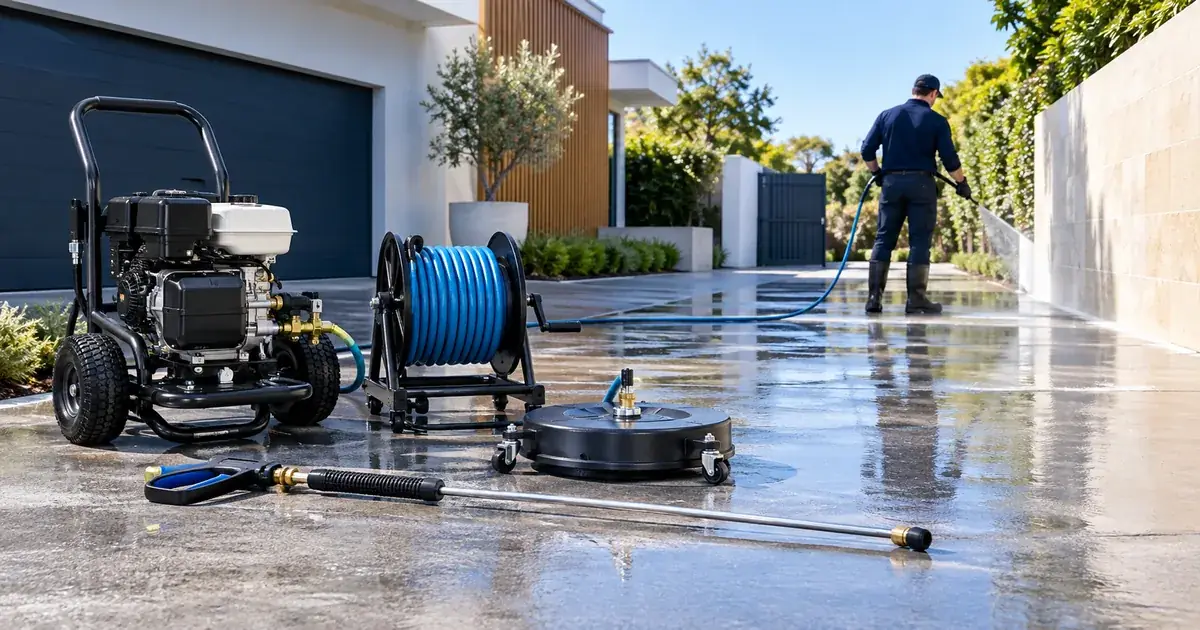
- Guides
- 8
- Surfaces
- Concrete to render
- Reading time
- 7 to 9 min each
- Last checked
- September 2026
Browse by surface
Which pressure washing guide do you need?
Choose by surface first and by stain second. Four guides deal with concrete: floors, driveways, oil and paint. The other four cover pavers, timber decking, brick and rendered walls. Every one starts with a short answer, lists the gear, gives numbered steps and ends with the errors that leave lasting marks.
Concrete, oil and paint
Hard and forgiving, as long as each stain is treated before any pressure goes on.
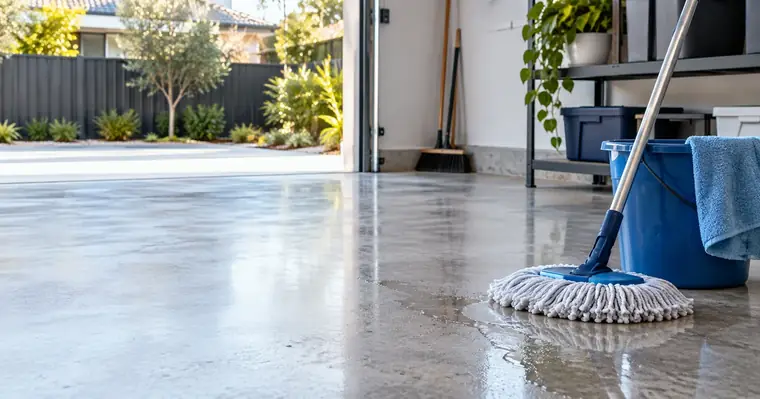 Garage, shed, polished
How to Clean Concrete Floors
Two very different jobs side by side: a bare garage slab that wants degreaser and a hard scrub, and a polished floor indoors that wants a dust mop and a neutral cleaner.
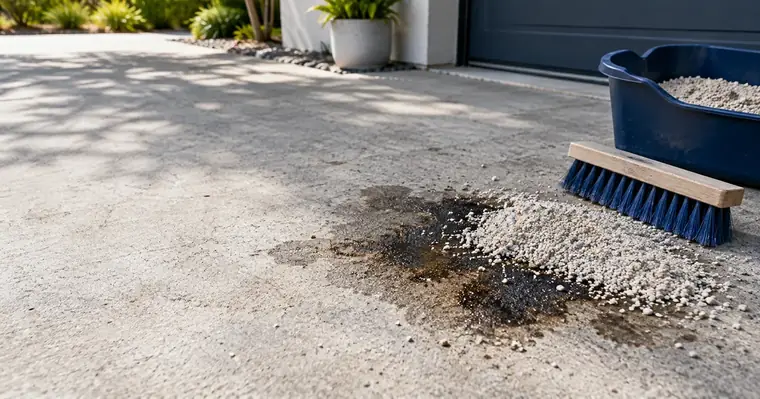 Fresh drips, old stains
How to Remove Oil Stains from Concrete
Why a drip caught early is easy, how to build a poultice for an old patch deep in the pores, which kitchen remedies are worth a try, and how to keep oily water out of the gutter.
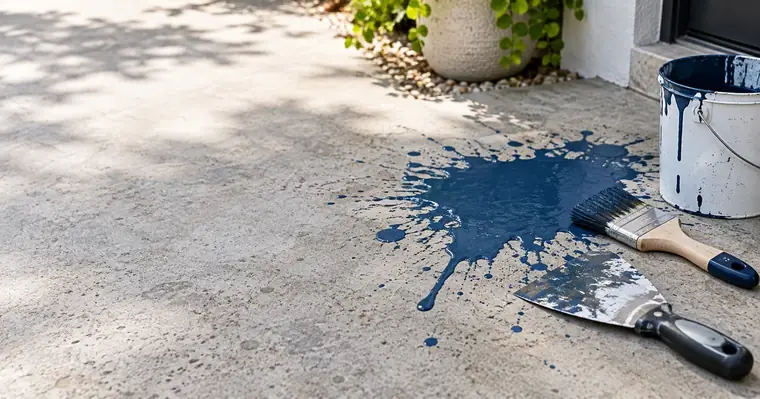 Water-based, oil-based
How to Clean Paint Off Concrete
Identify the paint type first, then pick a remover that suits it. Covers strippers, keeping them covered while they work, scraping, and why a pale outline can stay behind.
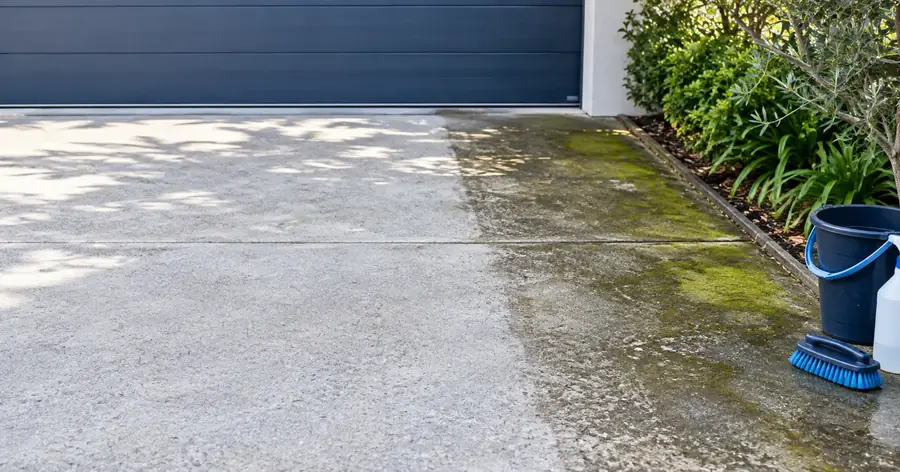 Mould, algae, rust
How to Clean a Concrete Driveway
A whole driveway from sweep to final rinse: separate fixes for growth, rust and oil, safe nozzle and distance settings for a home machine, and how to avoid a striped finish.
Pavers, timber, brick and render
Softer or coated surfaces, where too much pressure does damage you cannot undo.
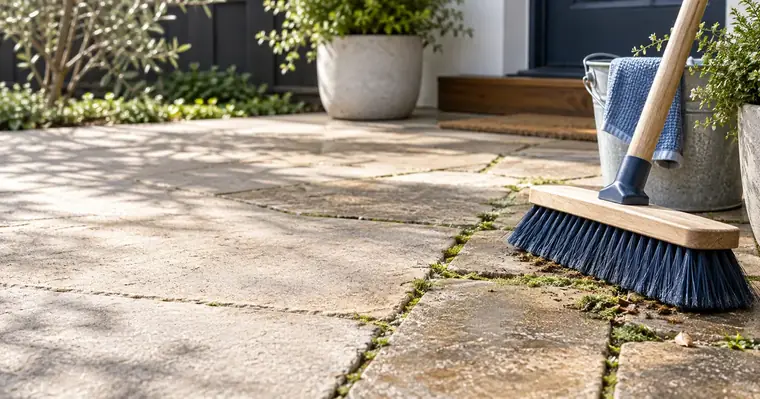 Sandstone, limestone, concrete
How to Clean Pavers
How to tell soft natural stone from tough concrete pavers, shift black spots and white salt bloom, clean safely around a pool, and put joint sand back once everything is dry.
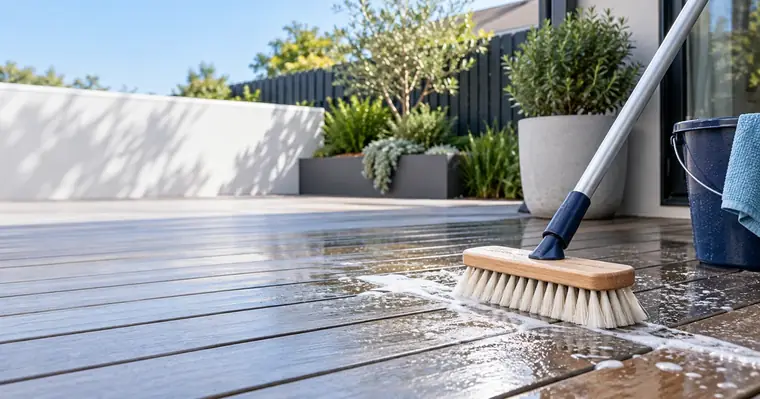 Hardwood, pine, composite
How to Clean Decking
Deck cleaners that lift grey fibres, scrubbing with the grain, the pressure timber can stand and how many dry days to allow before oiling. Composite boards get a gentler routine.
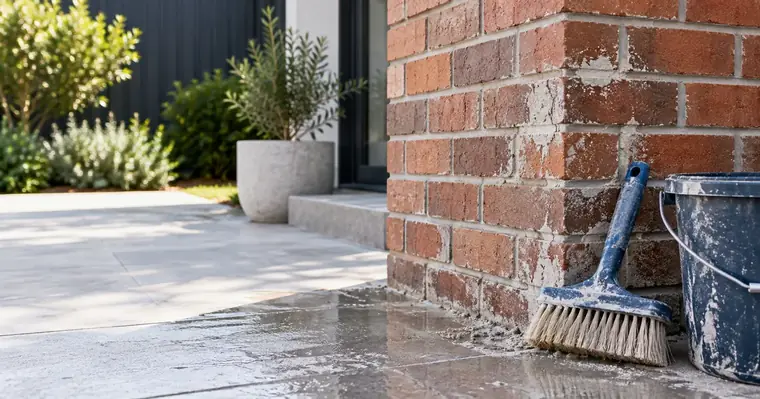 Old walls, new mortar
How to Clean Bricks
Two routes: moss and grime on an old wall, and mortar smears on new brickwork. Explains acid safety, soaking the wall before any cleaner, and keeping water off the joints.
 Render, paint, cladding
How to Clean Rendered Walls
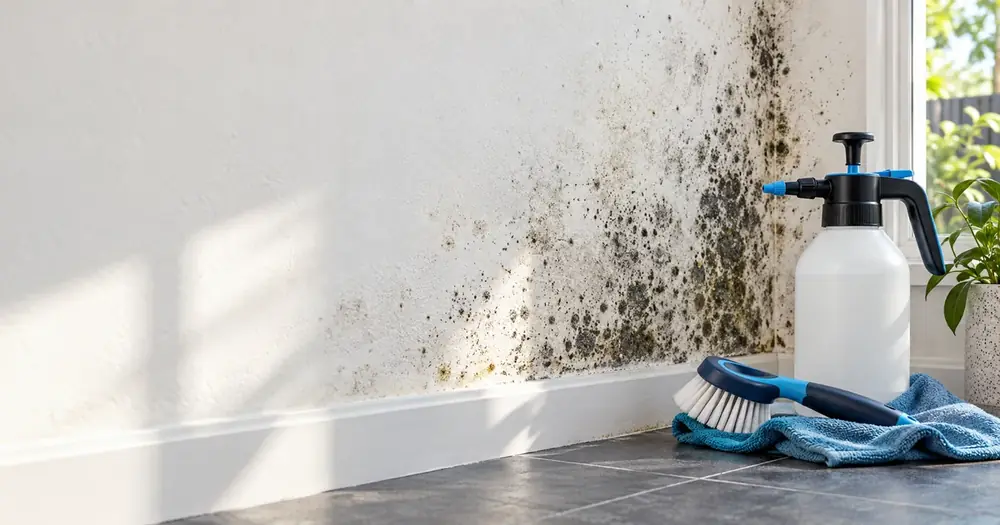
A soft wash for the whole house: treat, wait, brush, rinse gently. Also covers reaching upper walls from the ground, rust and salt streaks, and keeping vents and window seals dry.
Stain and surface finder
What are you trying to clean, and which guide covers it?
Find the mark you can see in the table and open the guide beside it. A few jobs need two guides, such as oil on pavers, because the stain and the surface each set their own limits. Use the buttons to narrow the list to one family of surfaces.
| What you can see | Start with | Watch out for |
|---|---|---|
| A fresh oil drip under the car | Oil stains, fresh spills | Soak it up before any water touches it |
| An oil patch that has sat for years | The poultice method for old oil | Expect fading, not always full removal |
| Paint splashes after a renovation | Paint removal guide | Identify the paint before buying a stripper |
| Black growth along a shaded driveway edge | Concrete driveway guide | Kill it first or it grows straight back |
| Orange spots from bore water or a gate | Rust section of the driveway guide | Test the rust remover on a hidden corner |
| Tyre marks and grime on a garage slab | Garage floor method | Scrub in sections; do not flood the garage |
| Dull, smeary polished concrete indoors | Polished concrete care | No vinegar, bleach or acid at all |
| Moss and weeds between pavers | Paver cleaning guide | Re-sand the joints only once fully dry |
| Stained sandstone or limestone | Natural stone steps | Acid etches soft stone; use a stone-safe cleaner |
| Oil on pavers or aggregate | Oil on pavers and aggregate | Keep scrubbing gentle around loose stones |
| A grey, weathered timber deck | Timber deck guide | Wide fan, low pressure, along the grain |
| Mould on composite boards | Composite decking routine | Follow the board maker's care sheet |
| Mortar smears on new brickwork | Mortar removal steps | Soak the wall before any brick cleaner |
| Green growth on an old brick fence | Old brick wall method | Keep the jet off soft lime mortar |
| Mould and dirt streaks on render | Render soft wash guide | High pressure cracks render and lifts paint |
| Rust or salt streaks below a window | Streak removal on render | Find the source or the streak returns |
Your call
When should you follow a guide, and when should you book a professional?
Follow a guide when the area is small, the surface is sound and the stain is recent. Book a professional when the job is large, the surface is soft stone, timber or render, the mark has survived two careful attempts, or the work involves ladders, a second storey or wash water you cannot keep out of the street.
A guide will usually do it
- A single driveway or short path with everyday grime
- An oil drip or paint splash caught within a day or two
- A garage or shed floor you can scrub in sections
- A hardwood or composite deck that is still in fair shape
- Moss in the joints of a small, sound patio
A booking will usually pay off
- Long or double driveways, where stripes from a wand will show
- Sandstone, limestone, aggregate or coloured concrete you would rather not test
- Old oil, paint or rust that has beaten two honest attempts
- Upper walls, eaves and anything needing a ladder
- Business premises where wash water must be collected
Cost is part of the decision too. A home pressure washer, a surface cleaner attachment and the right products can come to about as much as a single professional clean of an average driveway, so compare our pressure cleaning price guide before buying gear for a one-off job. If the gear is already in your shed, the guides will help you use it without leaving marks.
Water and drains
What do Melbourne's water rules mean for DIY pressure washing?
Melbourne's Permanent Water Saving Rules allow drinking water from the mains on driveways, paths and other hard surfaces for three reasons only: a hazard, a stain clean at most once per season, or building work. Any pressure cleaner used that way must run at 9 litres a minute or less, so a routine weekly rinse is not allowed.
The ceiling for any pressure cleaner on mains water. Most electric home machines sit under it, but check the rating plate before you start.
Slippery mould, a fuel spill or anything that makes the surface unsafe to walk or drive on.
A proper stain clean a few times a year, not a regular wash-down of the whole driveway.
Cleaning that forms part of construction or a renovation in progress.
The rules are published by Yarra Valley Water and match those of the other metropolitan retailers, including South East Water's current water use rules. They govern drinking water from the mains, so if you clean with rainwater from a tank, check your own retailer's page for how it applies to you.
Where the water ends up matters as much as how much you use. Street pits carry stormwater untreated to creeks and Port Phillip Bay, and EPA Victoria asks households to keep detergent, oil, paint and sediment out of them. It does enforce this: in March 2025 it fined a developer in Maddingley close to $4,000 after a pressure clean sent dirty wash water towards the Werribee River. At home, sweep before you wash, soak up oil rather than rinsing it, catch paint and stripper waste in a tray, and let small amounts of rinse water soak into the garden, not the kerb.
From guide to booking
Which service picks up where each guide leaves off?
Each guide has a matching service, so if a job turns out bigger than it looked you can hand over the same surface without starting again. Send a few photos and your suburb, and we will tell you plainly whether another DIY round is likely to work or a professional clean makes more sense.
- Concrete floors guide stalled?Concrete cleaning for slabs and garages
- Oil still showing?Oil stain removal
- Paint ghost still there?Paint and stain treatment on concrete
- Driveway too big for a weekend?Driveway pressure cleaning
- Stone too soft to risk?Paver and patio cleaning
- Deck needs more than a scrub?Deck cleaning
- Mortar will not budge?Brick cleaning
- Walls out of reach?House washing and soft washing
Running a shop, strata block or warehouse? Our commercial pressure cleaning team works after hours and collects wash water on site. For general questions about damage, sealing or what happens on the day, the pressure washing FAQ answers the common ones, and the suburbs we cover stretch from the west to the Mornington Peninsula.
Before you pick one
What do readers ask before choosing a guide?
Can one guide be used on any outdoor surface?
Do I need to own a pressure washer to follow them?
Can I send photos for advice after trying a guide?
How current is the advice in these guides?
Tried the guide and the mark is still there?Send a photo and your suburb for a written price on a professional clean.
Send my photos